This site uses cookies. By using it, you agree to our privacy policy Privacy Policy
Design & Development — Elena Mashkova
ELENA MASHKOVA. THE HORSE. AKHAL-TEKE
artistic project within interdisciplinary research CULTURAL STRATA
ARTIST STATMENT / MANIFESTO
"THE HORSE is part of my broader artistic practice CULTURAL STRATA.
For more than fifteen years, I have been engaged in a sustained investigation of the horse as a cultural form. My interest does not lie primarily in equestrian sport, breeding, or zoology, but in the unique relationship between humans and one of the most influential companions in our shared history.
Within my broader practice, CULTURAL STRATA, I approach the horse as a living intersection of time. Across centuries, ideas of beauty, character, discipline, freedom, endurance, responsibility, and human aspiration have been inscribed into its form. What interests me is not the past itself, but the way these accumulated layers remain active within the present.
The AKHAL-TEKE horse occupies a central position in this research. I see the breed not simply as a subject, but as one of the most concentrated examples of cultural continuity: a living form shaped through generations of observation, selection, knowledge, and aesthetic judgement. In its presence, historical time becomes tangible.
My work combines field research with archival investigation. I spend time at breeding farms, championships, sporting events, and traditional horse-breeding environments, observing horses throughout their lives — from birth to maturity — as well as the people who live and work alongside them. At the same time, I study historical sources, archaeology, visual culture, and the broader cultural histories that surround the horse.
The outcomes of this research take multiple forms: photography, drawing, painting, visual essays, and interdisciplinary projects. Part of the work also develops through independent research platforms dedicated to the AKHAL-TEKE horse and its place within culture. I consider these activities inseparable. They are different manifestations of the same practice: observing, collecting, connecting, and making visible the continuities that link past, present, and future.
I do not approach the horse as a symbol of a lost world. Instead, I see it as a living cultural form through which we can examine what societies choose to preserve, transform, transmit, or forget—and how those choices continue to shape human experience today"
"THE HORSE is part of my broader artistic practice CULTURAL STRATA.
For more than fifteen years, I have been engaged in a sustained investigation of the horse as a cultural form. My interest does not lie primarily in equestrian sport, breeding, or zoology, but in the unique relationship between humans and one of the most influential companions in our shared history.
Within my broader practice, CULTURAL STRATA, I approach the horse as a living intersection of time. Across centuries, ideas of beauty, character, discipline, freedom, endurance, responsibility, and human aspiration have been inscribed into its form. What interests me is not the past itself, but the way these accumulated layers remain active within the present.
The AKHAL-TEKE horse occupies a central position in this research. I see the breed not simply as a subject, but as one of the most concentrated examples of cultural continuity: a living form shaped through generations of observation, selection, knowledge, and aesthetic judgement. In its presence, historical time becomes tangible.
My work combines field research with archival investigation. I spend time at breeding farms, championships, sporting events, and traditional horse-breeding environments, observing horses throughout their lives — from birth to maturity — as well as the people who live and work alongside them. At the same time, I study historical sources, archaeology, visual culture, and the broader cultural histories that surround the horse.
The outcomes of this research take multiple forms: photography, drawing, painting, visual essays, and interdisciplinary projects. Part of the work also develops through independent research platforms dedicated to the AKHAL-TEKE horse and its place within culture. I consider these activities inseparable. They are different manifestations of the same practice: observing, collecting, connecting, and making visible the continuities that link past, present, and future.
I do not approach the horse as a symbol of a lost world. Instead, I see it as a living cultural form through which we can examine what societies choose to preserve, transform, transmit, or forget—and how those choices continue to shape human experience today"
Elena Mashkova
THE HORSE. AKHAL-TEKE. Artistic project by Elena Mashkova











ARTISTIC PRACTICE AND METHOD
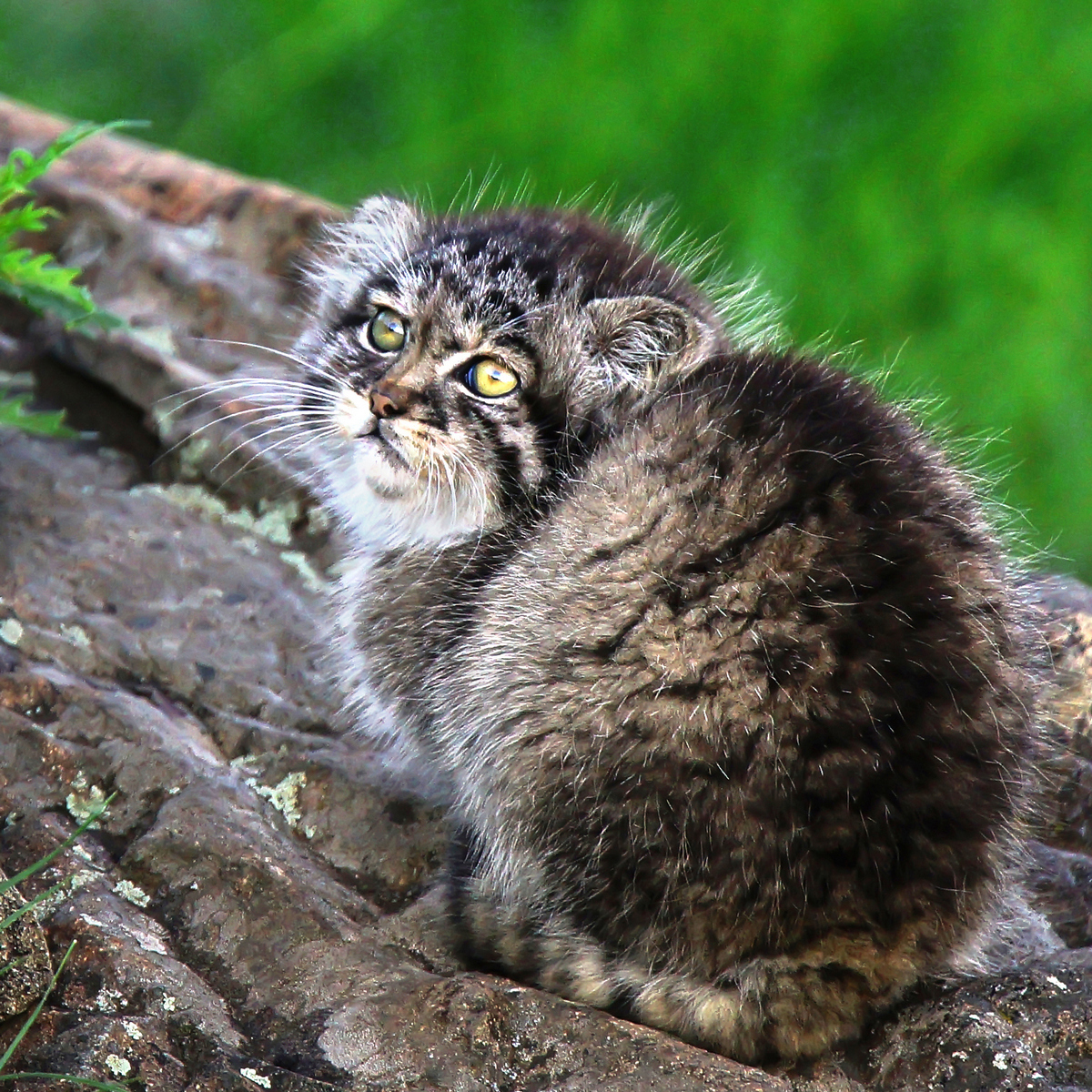
"My artistic practice is a visual archaeology of memory, driven by my proprietary interdisciplinary method, CULTURAL STRATA. I explore the phenomenon of timeless archetypes deeply embedded in our collective memory. My focus is directed toward objects and phenomena that represent the ultimate pinnacles of natural evolution, human cultural genius, and anthropology: the eternal silhouettes of tall ships, the sacred tectonics of Akhal-Teke horses, the primordial stealth of wild cats (snow leopards and manuls), the autonomy of nomadic peoples from the Nenets to the Mongols, and the primal archetype of human corporality explored through avant-garde pastel drawings and painting.
Utilizing radical visual techniques and working intently with light, scale, and texture, I strip these images of their documentary day-to-day context. My ultimate goal is to lay bare the very structure of time, demonstrating that these fundamental strata of history and biology are not left behind in the past, but continue to invisibly inhabit the here and now, sintering into the dense, monolithic cultural layer of our present"
"My artistic practice is a visual archaeology of memory, driven by my proprietary interdisciplinary method, CULTURAL STRATA. I explore the phenomenon of timeless archetypes deeply embedded in our collective memory. My focus is directed toward objects and phenomena that represent the ultimate pinnacles of natural evolution, human cultural genius, and anthropology: the eternal silhouettes of tall ships, the sacred tectonics of Akhal-Teke horses, the primordial stealth of wild cats (snow leopards and manuls), the autonomy of nomadic peoples from the Nenets to the Mongols, and the primal archetype of human corporality explored through avant-garde pastel drawings and painting.
Utilizing radical visual techniques and working intently with light, scale, and texture, I strip these images of their documentary day-to-day context. My ultimate goal is to lay bare the very structure of time, demonstrating that these fundamental strata of history and biology are not left behind in the past, but continue to invisibly inhabit the here and now, sintering into the dense, monolithic cultural layer of our present"
Elena Mashkova
AKHAL-TEKE news
Through THE HORSE, Elena Mashkova examines horses as living forms that carry memory, character, and human experience across generations
THE HORSE. AKHAL-TEKE FOTO
- Shael stud, filly Yagmar
Foggy morning
- Akhal-teke mare at Shael stud
Foggy morning
- Shael stud
I am 3 days old: fily of akhal-teke horse
- Stavropolsky stud #170
Herd of horses starts a day
Глаза-магнит. Голубоглазый ахалтекинец Рэй
Находясь в подростковом табуне, постоянно ищу его глаза, а найдя, других не замечаю. Ставропольский конзавод №170
Рассвет в табуне на конном заводе
На рассвете табун выпускается на зелёные луга и остаётся там до самого вечера. Поля большие, из левад лошади бегут-разминаются, пока не скроются за холмом на горизонте
Лошадь с жеребёнком бежит по полю. На дневные луга!
На рассвете табун выпускают на луга на целый день. Лошади хотят скорее добраться до живой травы, не сдерживаются и переходят на бег. Пыль столбом, видны только тени
Изабелловая ахалтекинская лошадь, рагацца белла Бэла
Красавица и алиен Бэла — трепетная голубоглазая девушка. Живой алиен. В девичьем табуне всегда много красивых кобылок, но внимание приковано к Бэле. Как не вспомнить Михаила Юрьевича Лермонтова?
Табун на водопое знойным днём
По природе жеребята должны следовать за матерью, учиться у неё, копируя поведение. Это мы и видим на фотографии, жеребята не боятся воды и повторяют даже позы. Наверное, поэтому кобыла не должна быть кусачей, иначе с большой вероятностью и дети будут такими
Жеребёнок ахалтекинской лошади. Вдогонку за мамой
По природе жеребята должны следовать за матерью. Если замешкался, приходится догонять
Серая чистокровная ахалтекинская кобыла МасхарА. Туманное утро на конном заводе
Конзавод Шаэль
Ахалтекинка Ягмар Шаэль в совсем ещё нежном возрасте
Ласково зову её Маруся. Чистокровная ахалтекинаская кобылка Ягмар. Туманное утро на конном заводе
Серая лошадь, читокровная ахалтекинская
Ёжик в тумане, произведения русских писателей 19 века о жизни в русской глубинке и особняком стоящая осенняя поэзия Александра Сергеевича делают своё дело: серая лошадь в средней полосе в сдержанном осеннем окружении ощущается родной-родной
Жеребёнок ахалтекинской лошади тренирует на водопое конкурные способности
Ставрополье, конзавод №170
Осенний водопой в смешанном табуне лошадей ахалтекинской и чистокровной пород
Не поплескаешься вдоволь, считай, на водопой не ходил :). Ставропольский конный завод №170
Ахалтекинец Пехимдар
Жеребец-производитель, Ставропольский коннный завод №170
Серая ахалтекинская лошадь солнечным днём
Чистокровный ахалтекинский жеребец Пехимдар — гордость породы. Фотография сделана ярким солнечным днём на конном заводе в Ставропольском крае
Чистокровные ахалтекинские лошади. Зимние дамы Шаэль
Как здорово утром попить ключевой воды и размяться на свежем воздухе, побегать-поваляться в пушистом снегу и допить снегом недопитое
Восточная красавица ахалтекинская лошадь Айсис Шаэль
Изабелловая чистокровная ахалтекинская кобыла прекрасно переносит зимние холода средней полосы
Ахалтекинцы: снегопад в жеребячьем табунчике
Восточные красотуны — чистокровные ахалтекинские жеребята прекрасно зимуют в средней полосе. Они одеваются в тёплые разноцветные шубки, аппетит растёт. Снег не помеха, наоборот, теплее
Первая прогулка и первое солнце ахалтекинца Газам Шаэль и матери Масхары
Мылыш растёт не по дням, а по часам! Уже через два дня после рождения Газама пустили погулять - вот зачем жеребёнку нужна зимняя шубка при рождении. Как все маленькие дети, Газам обрадовался прогулке и носился по зимнему полю на радость маме и всем нам. Домой согласился идти не сразу
Газам Гаонович Шаэль, чистокровный ахалтекинец
На фотографии Газаму 3 недели. Жеребёнок всегда смотрит ясно и прямо, всё делает уверенно. Что называется absolutely fullblood. Покушать любит — еда во рту никогда не заканчивается
Снегопад и ахалтекинские лошади
Чистокровная ахалтекинская кобылка Шагум Шаэль. Посчастливилось встретить её рождение. Растёт красавицей
Чистокровная ахалтекинская кобылка Шагум Шаэль. Посчастливилось встретить её рождение. Растёт красавицей
Снежная Шагум ещё лучше, чем просто Шагум
Снегопад в табуне ахалтекинских лошадей годовиков
Чистокровная ахалтекинская кобылка Шагум
Смешаный табун чистокровных и ахалтекинских лошадей. Вечер наступает
Табун собирается домой. Ставопольский конный завод №170
Табун лошадей на летних пастбищах Ставрополья
Цветочные луга Ставрополья. Чистокровная английская порода лошадей (на этом кадре — не ахалтекинская)
Туманное утро на конном заводе. Ахалтекинские лошади Шаэль
Подростковый табунчик
Лошадь на водопое
Эта англичанка любит мутить воду. Брызги или шум, или и то, и другое доставляют ей удовольствие. Уже табун почти весь ушёл, а она откидывает чёлку и продолжает поднимать "волны". Не ложится, заходит по брюхо раскачивающейся походкой матроны. У каждой лошади свои предпочтения на водопое
Серая лошадь. Ахалтекинка Шаэль
Молодая чистокровная ахалтекинская кобылка
Дикая лошадь с жеребёнком в заповеднике Даньяна в Испании
В Андалузии находится чуть ли не самый большой заповедник в Европе. Ездила смотреть пинии и птиц. Совсем близко паслись лошади, спросила у сотрудника заповедника — дикие
"For more than fifteen years, I have explored horses through photography, drawing, field observation, and historical research. Although much of my work focuses on the AKHAL-TEKE, the project is not about a single breed. Rather, it investigates the horse as a living intersection of nature, culture, memory, and human intention.
I follow horses throughout different stages of life and across different contexts: breeding farms, championships, equestrian sports, open landscapes, and everyday environments. What interests me is not biology alone, but character — how individuality becomes visible through movement, presence, and relationships.
Over time, this work has led me to broader questions. How does cultural knowledge survive across generations? What forms of human experience remain embedded within living beings? How do certain forms continue to carry meaning long after their original function has changed?
Through the image of the horse, I explore continuity, embodied memory, and what I call the dignity of form — the ability of certain forms to preserve and transmit human experience across timet"
I follow horses throughout different stages of life and across different contexts: breeding farms, championships, equestrian sports, open landscapes, and everyday environments. What interests me is not biology alone, but character — how individuality becomes visible through movement, presence, and relationships.
Over time, this work has led me to broader questions. How does cultural knowledge survive across generations? What forms of human experience remain embedded within living beings? How do certain forms continue to carry meaning long after their original function has changed?
Through the image of the horse, I explore continuity, embodied memory, and what I call the dignity of form — the ability of certain forms to preserve and transmit human experience across timet"
Elena Mashkova